Leadership Nourishment: Why Sleep Might Be Your Secret Superpower
Let’s be honest, being a strong, successful leader can feel a lot like juggling flaming swords while riding a unicycle. Leadership responsibilities demand high energy, clarity, patience, and the ability to resist sending emails that say, “Per my last ten messages…”
To show up as our best selves, we need proper nourishment. And no, I’m not talking about kale smoothies or the latest mushroom elixir. I’m talking about the most underrated performance enhancer of all time: sleep.
This is the first post in my Leadership Nourishment series, where we explore the habits that keep your “bucket full” so you can fill others’. Today’s topic? The magical, mysterious, often-neglected world of sleep and rest.
Why Leaders Need Sleep (Besides Avoiding Accidental Crankiness)
We all know sleep is important. But somehow, adulthood convinced us that staying up late to answer emails or binge a show counts as “self-care.” Spoiler: it doesn’t.
Sleep is a physiological requirement like oxygen, water, and the occasional moment of silence. Research shows that sleep quality is even more important than sleep quantity. So yes, those nights when you technically slept eight hours but woke up feeling like a confused houseplant? They don’t count.
As kids, we slept like champions. As adults, we sacrifice sleep for work, social life, screen time, and the belief that we can “catch up later.” Fun fact: it can take up to four days to recover from just one hour of lost sleep. Four. Days.
Rest Counts Too: And Yes, Power Naps Are Real
When sleep is lacking, rest can help refill your tank. Rest is any moment when you step away, unplug, and let your brain stop doing cartwheels.
This includes:
- Power naps (the 10–20 minute kind that make you feel like a new human)
- Siestas (research says they may even help you live longer)
- Quiet breaks where you stare into the distance like a wise philosopher
Rest improves mood, clarity, and resilience which are three things every leader needs, especially when dealing with difficult situations or difficult people (you know the ones).
Time for a Self‑Inventory
Ask yourself:
- How much sleep do you actually get each night?
- Do you sleep more on weekends than weekdays?
- Do you wake up feeling refreshed or like you’ve been lightly hit by a small bus?
- Do you take breaks or naps when you need them?
If your answers made you sigh, you’re not alone and you’re not doomed. Small changes can make a big difference.
Practical Ways to Nourish Yourself With Sleep
Try aiming for 6 to 8 hours of sleep most nights. Take power naps when possible. Build in rest breaks. And if life gets chaotic, catch up when you can and your body will thank you.
Better sleep won’t just improve your leadership. It will improve your life. You’ll think more clearly, solve problems faster, and handle challenges with more grace and fewer eye twitches. Most importantly, you’ll feel better and a lot less cranky.
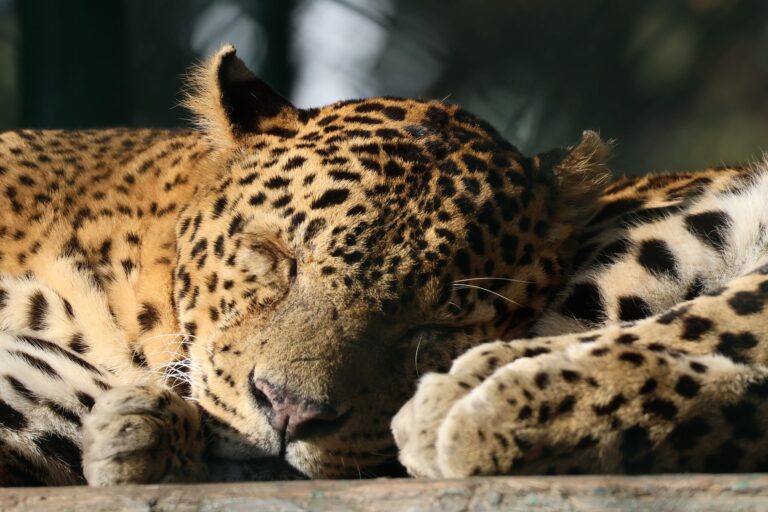
Sweet dreams, leader. You’ve earned them. Nite, nite…
- Kohyama, J. (2021). Which is More Important for Health: Sleep Quantity or Sleep Quality? Children (Basel). June 24;8(7):543. dot:10.3390/children8070542.PMID: 34202755; PMCID: PMC8304732. ↩︎
- Rechtschaffen, A. (1998). Current Perspectives on the Function of Sleep. Perspectives in Biology and Medicine. 41(3), 359-390. doi:10.1353/pbm.1998.0051. ↩︎
- Bursztyn, M., Ginsberg, G., Steersman, J. (2002). The Siesta and Mortality in the Elderly: Effect of Rest Without Sleep and Daytime Sleep Duration. Sleep. 25(2), 187–191. https://doi.org/10.1093/sleep/25.2.187 ↩︎
- Newson R., Rehman, A. (2023). Sleep debt: The hidden cost of insufficient rest. How Sleep Works. November 3, 2023. . ↩︎
- Chaput, J.P., Dutil, C., Featherstone, R., Ross, R., Giangregorio, L., Saunders, T.J., Janssen, I., Poitras, V.J., Kho, M.E., Ross-White, A., Zankar, S., Carrier, J. (2020). Sleep timing, sleep consistency, and health in adults; A systematic review. Apple Physiol Nutrition Meta. 45(10(Suppl. 2)):S232-S247. dot: 10.1139/apnm-2020-032. PMID: 33054339
